Jonas Reed · 31 August 2026
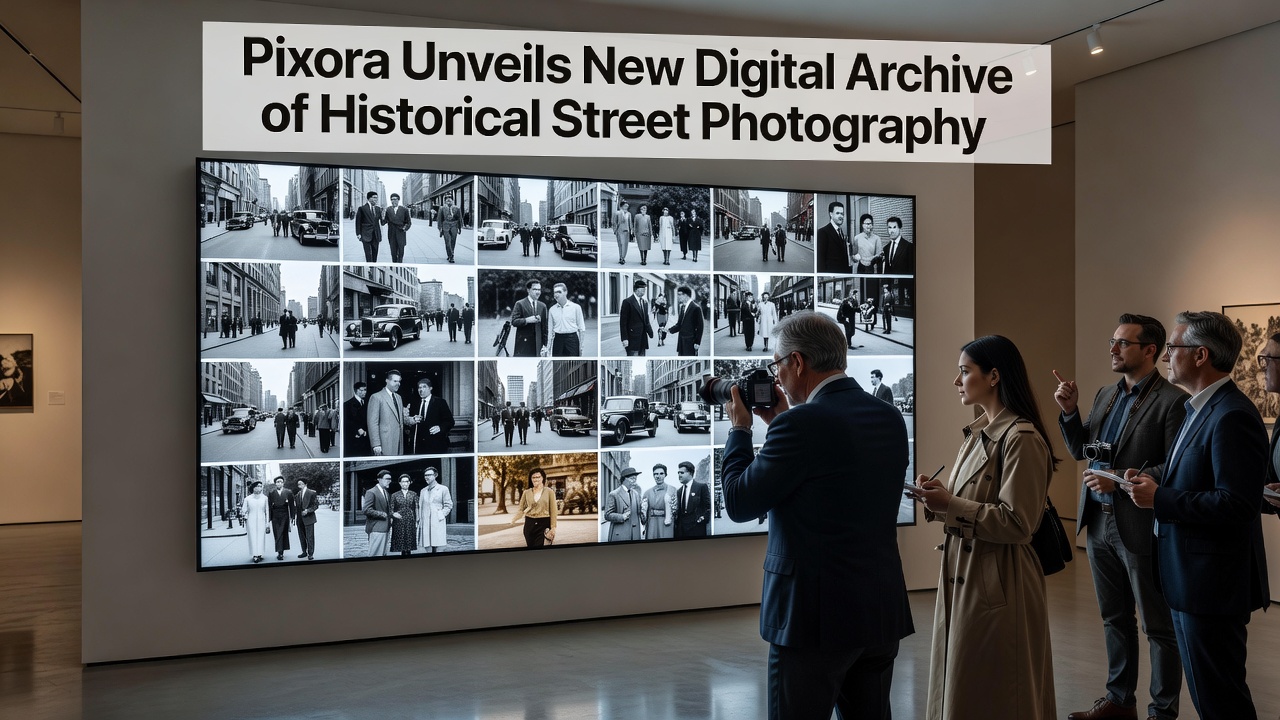
Pixora, a platform dedicated to visual narratives, has introduced a comprehensive digital archive dedicated to historical street photography. The collection comprises thousands of rare photographs that document the evolution of cityscapes and human interactions in public spaces across different eras. Sourced from private collections and institutional holdings, these images offer insights into the cultural and architectural histories of various metropolises. The archive is designed to be accessible via an intuitive online interface that supports multiple languages and device compatibility. This development comes at a time when interest in analog photography techniques is experiencing a resurgence among contemporary artists and scholars.
Collection Details and Features
The digital archive features sophisticated tools for navigation and analysis. Researchers can utilize keyword searches, geographic mapping, and chronological sorting to locate specific images efficiently. Each entry includes provenance information, ensuring transparency regarding the origins of the photographs. Pixora has invested in state-of-the-art digitization processes to maintain the original tonal qualities and textures of the prints. Partnerships with photography experts have facilitated the inclusion of contextual notes that explain the social significance of depicted scenes. Additionally, the platform offers download options for non-commercial use, subject to certain restrictions to protect the integrity of the materials. Accessibility is prioritized, with features for visually impaired users including audio descriptions for key images.
Community features enable registered users to contribute comments and share related findings, fostering a collaborative environment for knowledge exchange.
Broader Implications for Photography Preservation
The launch of this archive has significant ramifications for the field of photography preservation. It highlights the role of digital technology in safeguarding fragile historical artifacts against physical degradation. Educators are likely to incorporate these resources into curricula focused on visual literacy and historical analysis. Furthermore, the project may inspire similar initiatives by other organizations seeking to digitize their holdings. By bridging the gap between past and present visual documentation practices, Pixora reinforces the value of street photography as a medium for storytelling. Ongoing maintenance and updates to the archive will be crucial to its long-term success and relevance in academic and public spheres.